
October Greetings From The Roastery: Catch us Brewing | Tasting Boxes | Current Recommendation: Incahuasi

October Greetings from the Roastery
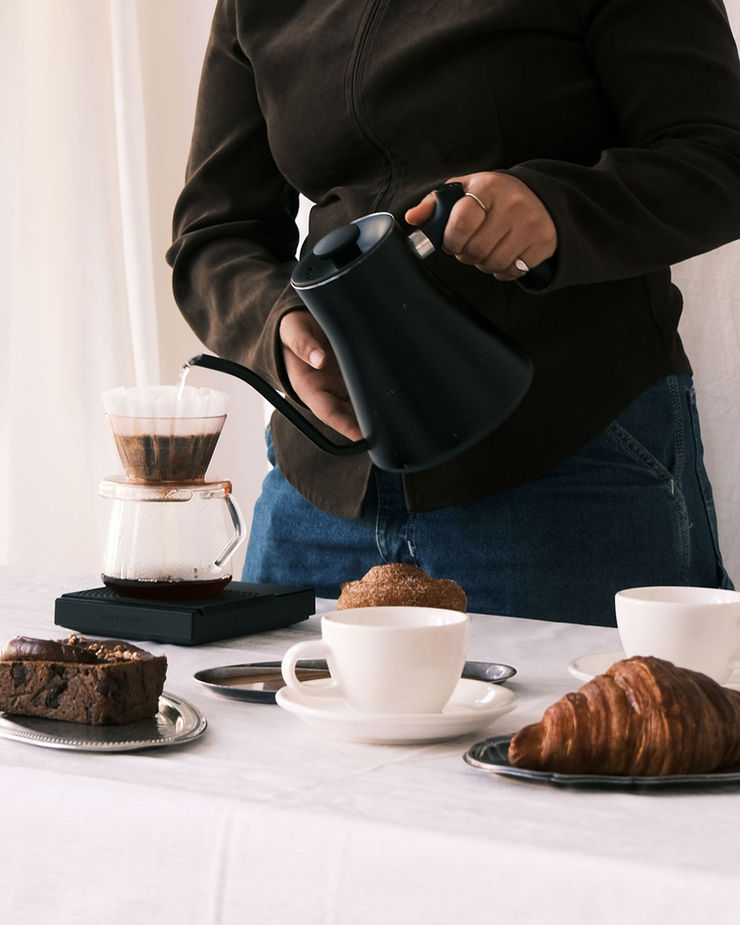
Catch us Brewing: Populus x Material
Since closing our physical cafe location on Maybachufer in 2024, we have missed having that one-to-one customer contact and the ability to present our coffee like we like to brew it. This is why we have decided to be more present in our own city by joining forces with our friends and partners, coming to you live from Neukölln and beyond.
In October, we have the pleasure of collaborating with P-berg institution, Material Berlin, as we take over their new event space right next door. The concept is a curated menu of our coffee offerings paired with customized sourdough pastry from the Materials’ own bakery. Our plan is to present coffees from the same terroir, but with a different varietal or processing method. There’s a chance to taste a mystery variety from a remote mountain valley in Peru, as well as organically grown wild coffee cultivars.
We will also sell coffee boxes and T-shirts.
Save the date: Saturday 10.10 and Sunday 18.10
Time: 10:00 - 16:00
Location: material, Schönhauser Allee 156, 10435 Berlin
This will be our only takeover in October, so we would be very happy to see you there!
Tasting boxes available now: Rare variety, Terroir and Processing
One of the most rewarding things is trying to understand and comprehend what exactly defines a coffee's cup profile. Our team cups hundreds of unique samples from our partners each year which is a real privilege and extremely helpful in order to have a deeper understandig or flavor and the elements and actions contributing to it.
We decided to start creating tasting sets that give our customers an opportunity to taste coffees that share conditions but still vary greatly in flavor side by side.
We consider that the biggest influencing factors in coffee flavors are:
Variety:
Coffee varieties have distinct characteristics because their unique genetic codes create different levels of sugars, acids, and aromatic compounds. We tend to favor some varieties over others, but does that correspond to how accepted it is for the general public of coffee consumers.
Terroir:
The geographical factor. How do a particular microclimate, soil quality, altitude, and farming practices affect the cup?
Processing:
How coffee is processed has a huge impact on the end result in the cup. Adopted controlled fermentation and drying protocols of the past few years have shaped how we perceive flavors today. How can the same lot of coffee taste so different simply because it was dried with a different method?
The boxes will be defined by one leading taste-altering factor, but sometimes these can cross over. Our goal is to give you a glimpse of what we look for when selecting a coffee for our menu, as well as showcase how the flavors we enjoy (or sometimes don’t) end up in the cup.
Box-sets currently available:

Tasting Box - Incahuasi
Price: 26,00€
Delicate floral and tea-like profile from the Cusco highlands of Peru. Features Gesha Panama and Inca varieties...

Tasting Box - Khalid Shifa
Price: 20,00€
Explore traditional natural dry method and modern wet method processing from organic certified Ethiopia...
Our roastery recommendations for October:

This season we have a strong focus on Peruvian coffees, specifically from the Incahuasi Valley in the Cusco region.
This region is special for multiple reasons. The members of the Incahuasi cooperative produce coffee organically, with a strong agroforestry tradition, meaning the farms have diverse crops and abundant shade. The old Ayni tradition is based on mutual aid within the community, where neighbours help each other to harvest, plant, and cultivate.
Coffee grows at exceptional altitudes here. Some farms reach 2,500 metres above sea level, yet temperatures remain consistently warm enough to prevent frost.
Processing is mainly dry-fermented washed. After depulping, the coffee is fermented in traditional wooden crates for up to 48 hours, depending on the weather, then washed and dried on raised beds. This creates a transparent cup profile that is delicate but offers beautiful fruity complexity.
Equally noteworthy are the varieties. Inca Gesha is not specifically a Gesha variety. It traces back to Ethiopian landraces and is very close to the SL-9 variety from Kenya. It has an absolutely beautiful, delicate cup profile with complex florals, stone fruits, and bright acidity, and it has made the region famous in recent years. Genetic studies are ongoing to discover what it is and how it ended up in such a remote place. For now, we have decided to refer to this coffee as SL-9.
The classic Panamanian Gesha is grown by a handful of producers here as well. Typica, Caturra, Bourbon, and a local mutation named Americano are among the classic varieties.
The Incahuasi coffees currently on the menu:


